
Reviewed · COOKING CLASSES
St. John’s: From the Sea Cooking Class
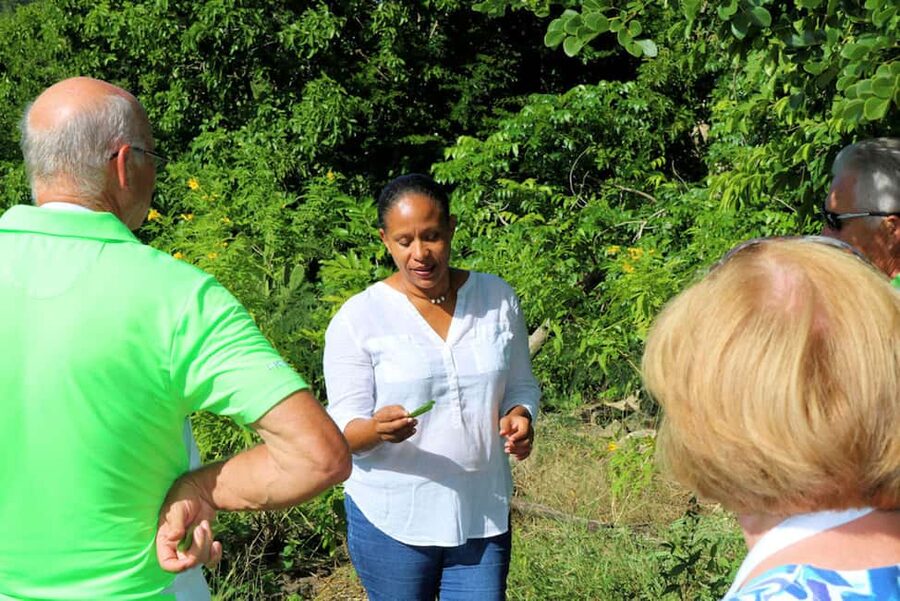
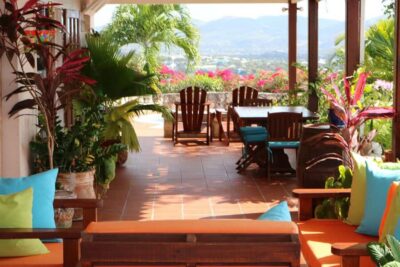
Antigua’s best ingredient here may be the view, but the fish comes a close second. At Nicole’s Table, you help turn the day’s catch into a three-course lunch, then eat it on a veranda above the Caribbean Sea. I especially like the fresh-catch menu, which can feature mahi-mahi, snapper, tuna, or grouper, and the home setting, where food comes with stories about life in the West Indies.
The main consideration is that the menu is not fixed, and the class needs at least four people to run. If your party is smaller, you may need to join an existing class or move to another date. You’ll also need to arrange your own way to Nicole’s Table.
Key details about the class
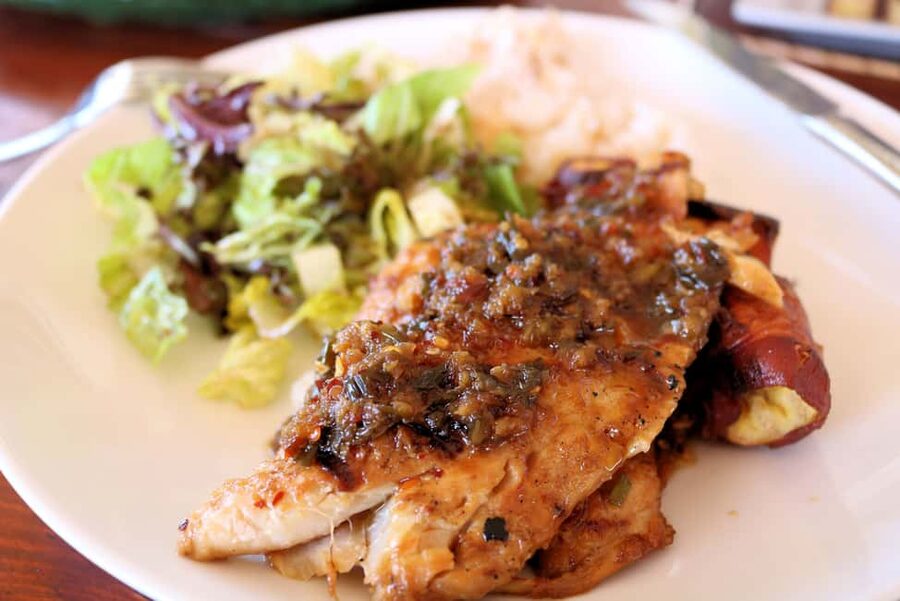
- The fish changes with the day: Your lunch depends on what local boats have recently brought in, the season, and sea conditions.
- You cook the whole meal: Help prepare the starter, fish, side dishes, and dessert rather than watching a short demonstration.
- The setting is part of the meal: Nicole’s Table is a Caribbean home high on a hill, with lunch served on a veranda overlooking the sea.
- You receive the recipes: The aim is to make the dishes practical to repeat at home.
- Drinks are included: Expect a local juice, cistern water, and Nicole’s Old Fashioned Rum Punch.
- Plan for a four-hour visit: Classes generally run from 11:00 a.m. to 3:00 p.m., which works well for many hotel and cruise schedules.
Why the changing seafood menu matters
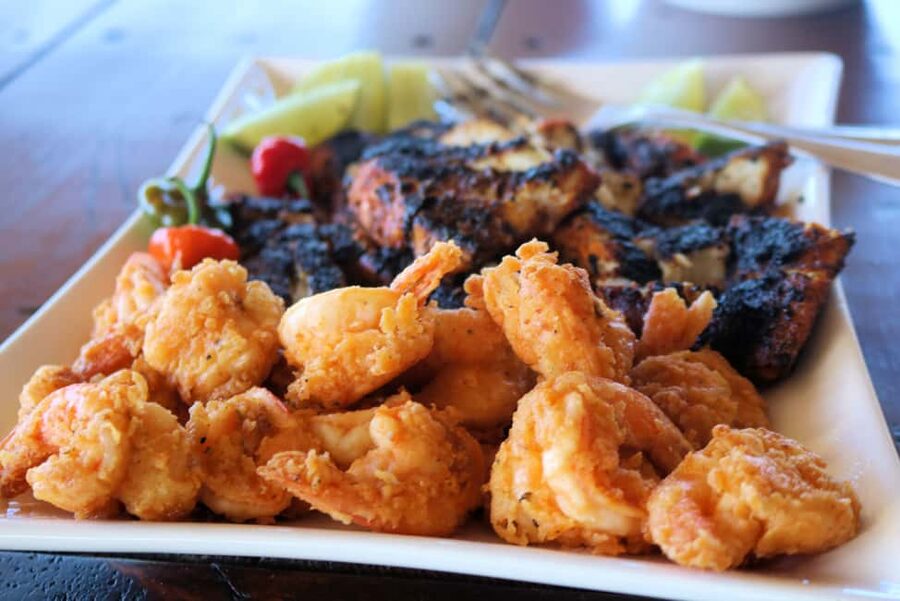
Many cooking classes promise a particular dish and then deliver it no matter what. This one takes a more sensible Caribbean approach: start with what the sea has provided. The fish could be mahi-mahi, snapper, tuna, or grouper, depending on the season and recent catch.
That uncertainty is part of the appeal, but it also calls for the right expectations. You are not booking a guaranteed mahi-mahi lunch. You are booking a chance to learn how a local cook adapts a meal around available seafood. For me, that feels more connected to island life than following a rigid menu.
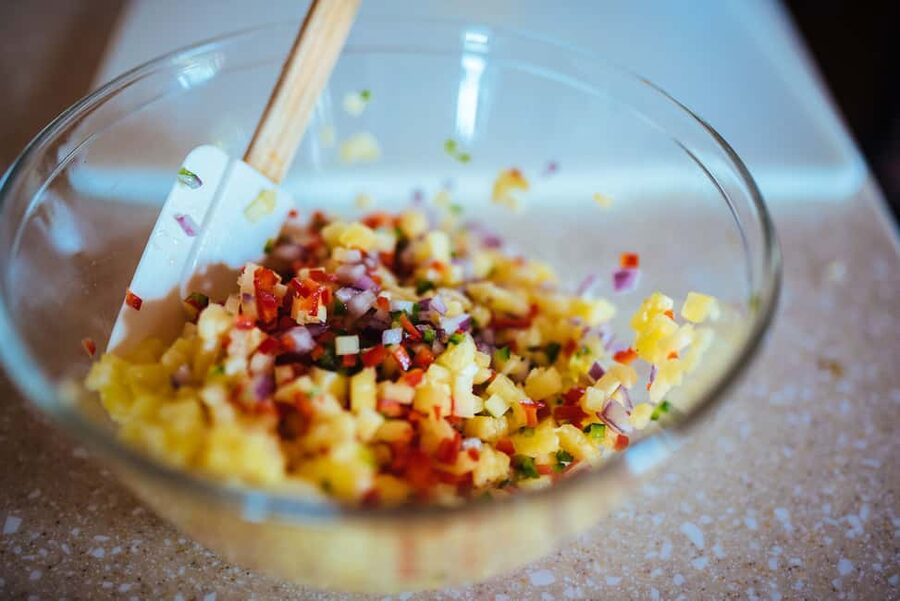
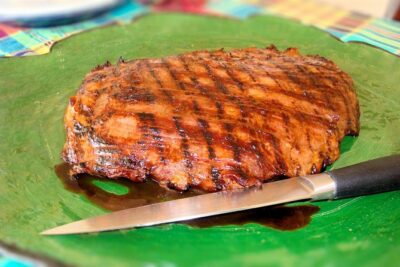
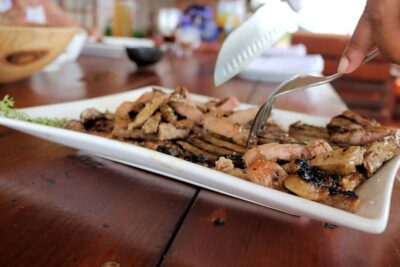
A typical class may feature grilled ginger-lime mahi-mahi with pineapple salsa, blackened fish tacos with spicy slaw, or a baked stuffed whole snapper. Those dishes cover different skills and styles. Grilling keeps the fish simple and lets the salsa do some work. Tacos add seasoning and texture. A whole baked snapper gives you a more traditional centerpiece.
The final menu depends on the catch, but the general shape remains steady: a seafood starter, a fish main course, side dishes, and dessert. That gives you enough variety to feel like you prepared a real lunch, not just one recipe.
More cooking to book in St John's:
- All About Jerk Cooking Class
★ 4.7 · 19 reviews - St. John’s: Rum Cooking Class with 6 Rum Tastings
★ 5.0 · 6 reviews - Coordinating Curry Cooking Class
★ 5.0 · 4 reviews
Arriving at Nicole’s Table above the Caribbean Sea
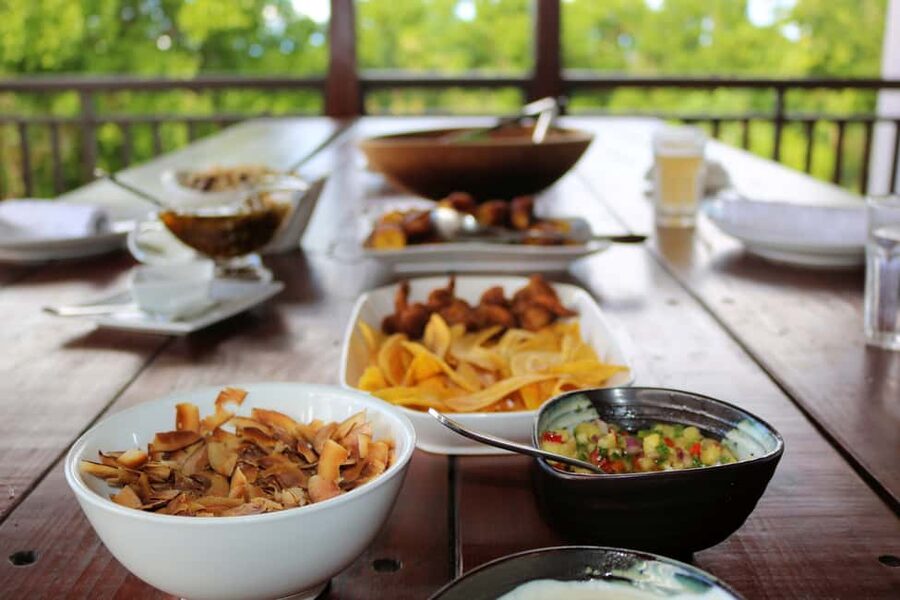
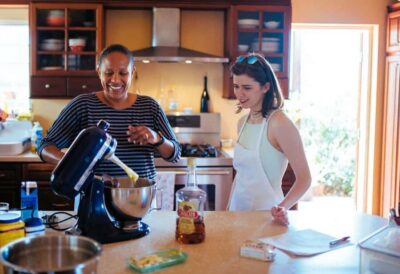
The class takes place at Nicole’s Table, a home on high ground overlooking the Caribbean Sea. The setting changes the tone from a formal culinary school to a relaxed visit in someone’s home.
There is no pickup service. After booking, you receive directions to the meeting point, so you need to plan your own transport. This matters most if you are arriving from a cruise ship or hotel. Allow enough time to reach the home and return after lunch, since the class itself usually fills the period from 11:00 a.m. to 3:00 p.m.
The hilltop setting provides a strong visual part of the day, but it may not suit anyone who needs step-free access. The activity is not suitable for wheelchair users. If mobility is a concern, ask for current details before booking rather than assuming the home can accommodate every need.
Starting with rum punch and a local welcome
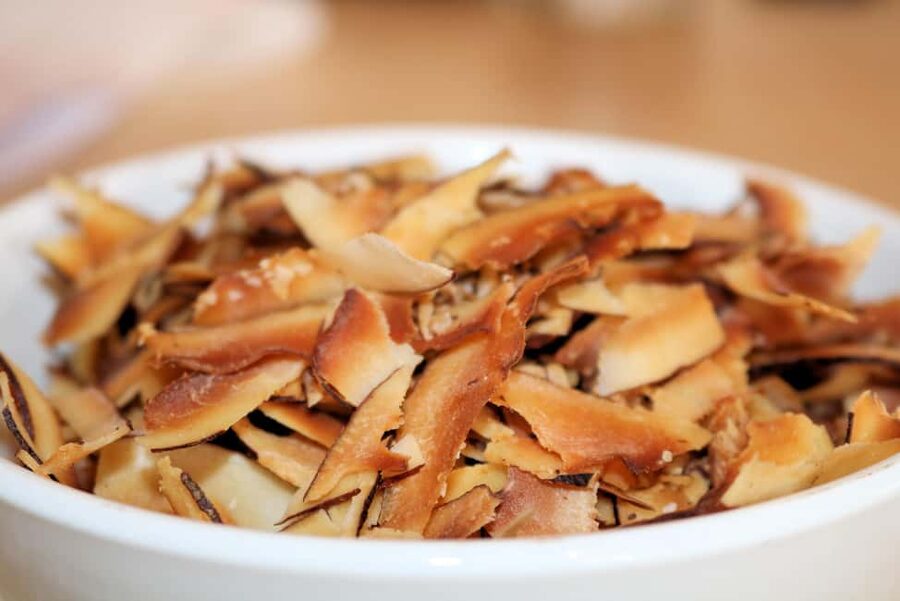
The class begins with drinks, including Nicole’s Old Fashioned Rum Punch, a local juice, and water from the home’s cisterns. The rum punch gives the morning a distinctly Caribbean start, but keep the minimum drinking age in mind: you must be 18 or older to drink alcohol.
The water detail also gives you a small glimpse into island life. Cistern water is part of how homes manage their supply, and it fits the broader character of the class. You are not only learning a set of restaurant recipes. You are hearing about food, homes, and daily life in the West Indies while preparing lunch.
Instruction is in English and can be as hands-on or laid-back as you prefer. You can take an active role in the preparation, or settle into a more relaxed pace while still following the process. I would choose the hands-on approach if you want to recreate the meal at home. You’ll remember more when you have handled the ingredients yourself.
Preparing the starter, sides, and fish
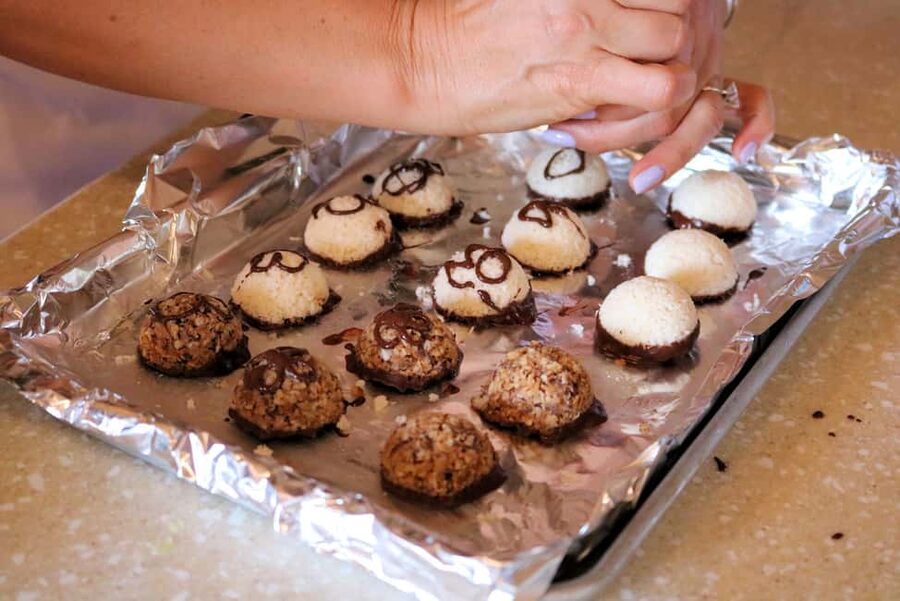
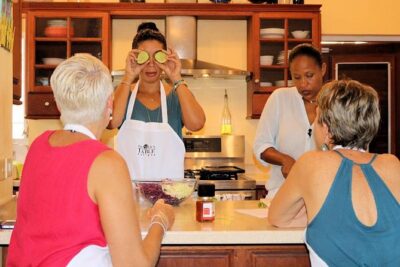
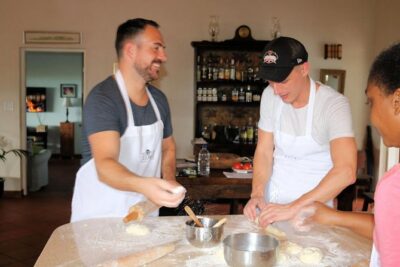
The work covers the complete meal. You help prepare the starter, the main fish dish, the sides, and dessert. That broad format is one of the strongest reasons to choose this class over a short demonstration.
A sample starter is garlic shrimp in a crisp wonton cup with avocado. It combines seafood, crunch, and creaminess, and it gives you a useful recipe for entertaining at home. The exact starter can change, but it is likely to set the tone for the meal without overwhelming the fish course.
The side dishes may include basmati rice and a rainbow salad. These are not minor extras. Rice helps make the meal filling, while a colorful salad adds freshness beside grilled, blackened, or baked fish. Learning the sides is useful because they are often the hardest part of planning a full meal at home. Here, you prepare the supporting dishes along with the main course.
The fish preparation is where the menu’s flexibility becomes most obvious. Mahi-mahi works well with ginger, lime, and pineapple salsa. Snapper may be baked whole. Tuna or grouper could lead to a different treatment based on what is available. Rather than treating substitutions as a problem, the class shows you how to adapt.
That is a practical lesson for home cooking. You may not find the exact same fish after returning home, but you can use the method with another firm local catch. The recipes are meant to be approachable, not just impressive on the day.
A few more things to do in St John's worth a look
- Fliteboard EFoil Lesson
★ 5.0 · 12 reviews
Finishing with passion-fruit cheesecake
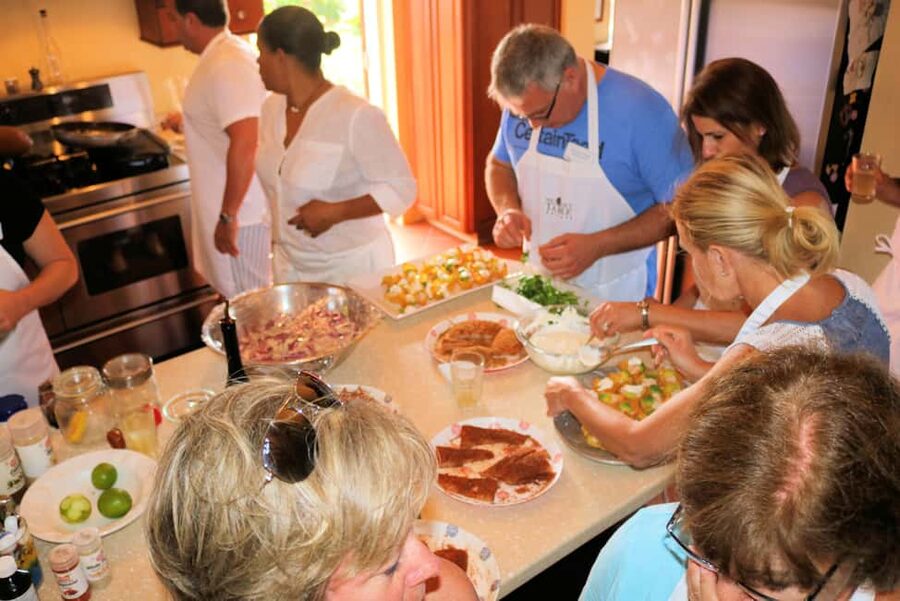
Dessert is part of the preparation, not an afterthought. A typical ending is a mini cheesecake with passion fruit. The small portions make sense after a seafood lunch with rice, salad, and a starter, while passion fruit keeps the finish bright and tropical.
Preparing dessert as part of the class also makes the schedule feel complete. You are involved from the first drink through the last course. By the time lunch is served, you have worked on every part of the menu.
The recipes are provided, which adds real value. A beautiful lunch is pleasant, but recipes give the class a life beyond Antigua. If you enjoy cooking at home, you can use the techniques for a dinner party or adapt the flavors to ingredients available in your own market.
Eating lunch on the veranda
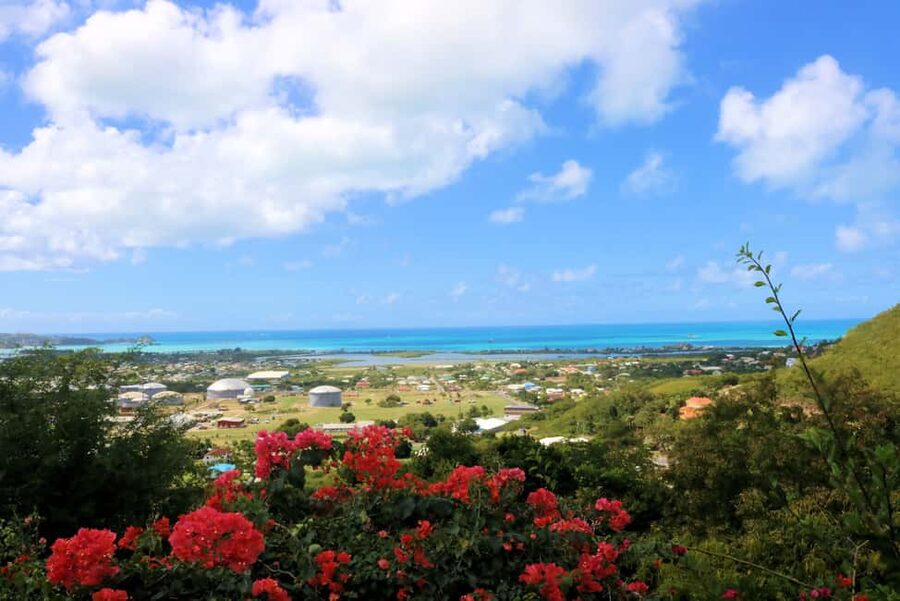
Once the food is ready, you sit down to eat on the veranda overlooking the Caribbean Sea. This is not simply a place to take a few photographs before leaving. It is where the class becomes a social meal.
The setting helps explain the $164 price. You are paying for four hours of instruction, a complete lunch, drinks, recipes, and a hosted visit in a private Caribbean home. This is more expensive than buying a seafood lunch at a casual restaurant, but it includes much more than food on a plate.
The value depends on how you travel. If you only want a quick meal, the price may feel high. If you want a small, personal activity that combines cooking, local conversation, food, and scenery, the cost is easier to justify. The five-star rating and comments describing a family-like welcome, beautiful food, and a striking setting fit the main strength of the class: it feels personal rather than mass-produced.
You should also note that transportation is not included. Add the cost of reaching Nicole’s Table when comparing this with other Antigua activities.
Stories, recipes, and a relaxed pace
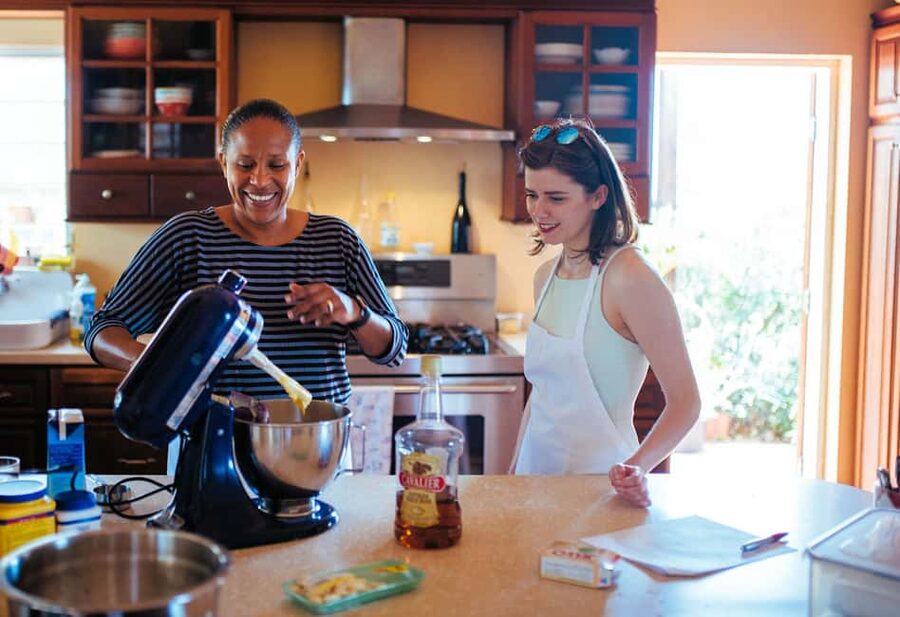
The food is only one part of the instruction. The class includes explanations of the history of the dishes and stories about living in the West Indies. That informal conversation gives the recipes some context.
You will not get the same tightly timed format as a large professional cooking school. That is good news if you prefer conversation and flexibility. It may be less appealing if you want precise culinary training, formal kitchen stations, or a fast series of advanced techniques.
The class can be as relaxed as you wish, but you still have the chance to work with the ingredients. I would tell you to ask questions, take notes, and pay attention to substitutions. The fresh-catch format means the most useful lesson may not be one exact recipe. It may be learning how to adjust seasoning, cooking style, and side dishes to the fish in front of you.
Timing, group size, and practical planning
The standard schedule starts at 11:00 a.m. and usually ends around 3:00 p.m. That makes it a useful choice for a cruise or hotel stay, provided your transport time fits comfortably around the class.
The class requires a minimum of four people. If you have fewer than four, you should try to join an existing class or contact the provider before setting your plans. The operator may need to move a booking to another day if the minimum is not reached.
This point is worth taking seriously if you are building a tight Antigua itinerary. The class is not the best choice for someone who needs a guaranteed private departure on a specific date. It works better if you have some flexibility.
Children must be accompanied by an adult, and unaccompanied minors are not allowed. Pets are also not permitted. Tell the provider about dietary requirements, especially food allergies, when you book. Since the menu is built around seafood and changes with availability, early notice is important.
Hand washing is required. If you have flu-like symptoms, you must wear a mask. These are simple rules, but they matter in a hands-on food setting.
Free cancellation is available up to 24 hours before the class for a full refund, and you can reserve now and pay later. Those terms help if your Antigua schedule is still shifting, though they do not remove the need to plan transportation or account for the four-person minimum.
Who will enjoy this Antigua cooking class
I would recommend Nicole’s Table to you if food is one of your main ways of getting to know a place. You do not need to be an experienced cook. The class is designed to be hands-on, but it can also be relaxed, so you can choose how much work you want to do.
It is a particularly good match for:
- Couples looking for a slower half-day activity
- Families with children who are accompanied by an adult
- Cruise passengers with a suitable four-hour window
- Home cooks who want recipes they can use later
- Anyone who prefers a private-home setting to a large group attraction
- Seafood fans who enjoy seeing how a menu changes with the catch
I would hesitate if you dislike seafood, need wheelchair access, or want a fixed menu with no substitutions. The changing fish selection is central to the class, not a small footnote.
Should you book From the Sea Cooking Class?
Book it if you want more than a meal and have room for a relaxed four-hour visit. The combination of fresh local fish, full meal preparation, Caribbean stories, included drinks, recipes, and a veranda above the sea gives the day a clear sense of place.
Before booking, confirm that the schedule works with your transport, disclose dietary needs, and accept that the menu will depend on the sea and season. If you can do that, this is a strong choice for an intimate Antigua food experience, especially for anyone who wants to return home with more than a photograph and a full stomach.
FAQ
Where does the cooking class take place?
The class takes place at Nicole’s Table in Antigua, a Caribbean home high on a hill overlooking the Caribbean Sea.
How long does the class last?
The class lasts four hours. Classes generally start at 11:00 a.m. and finish around 3:00 p.m.
What kind of food will I prepare?
You will help prepare a three-course seafood lunch, including a starter, a main fish dish, side dishes, and dessert. The fish may be mahi-mahi, snapper, tuna, or grouper, depending on what is available.
Is lunch included?
Yes. Meals are included, along with a local juice, water from the cisterns, and Nicole’s Old Fashioned Rum Punch.
Are recipes provided?
Yes. You receive the recipes for the dishes prepared during the class.
Is transportation included?
No. There is no pickup service, and you must make your own way to Nicole’s Table. Directions are emailed after booking.
Can I cancel the booking?
Yes. You can cancel up to 24 hours in advance for a full refund. You can also reserve now and pay later.
Just added in St John's
- Tuk Tuk – Historical Harbour, Beach & Beers!★ 4.5 · 7 reviews
- Sunset party at Shirley Heights – PRIVATE round trip★ 5.0 · 4 reviews
- Catamaran private charter★ 5.0 · 7 reviews
- Stunning Antigua And Barbuda Island Tour★ 4.0 · 6 reviews
- Hike Antigua Tour – Conquer the Hill★ 5.0 · 4 reviews
- Haffu come back Taxi Service★ 5.0 · 5 reviews
- Biggvee Bus Adventure★ 4.5 · 6 reviews
- ANTIGUA FROM TOP TO BOTTOM: Stingray City, Beach, lunch & more…★ 5.0 · 6 reviews
Cooking Classes, compared.
Browse the lists this tour appears in